
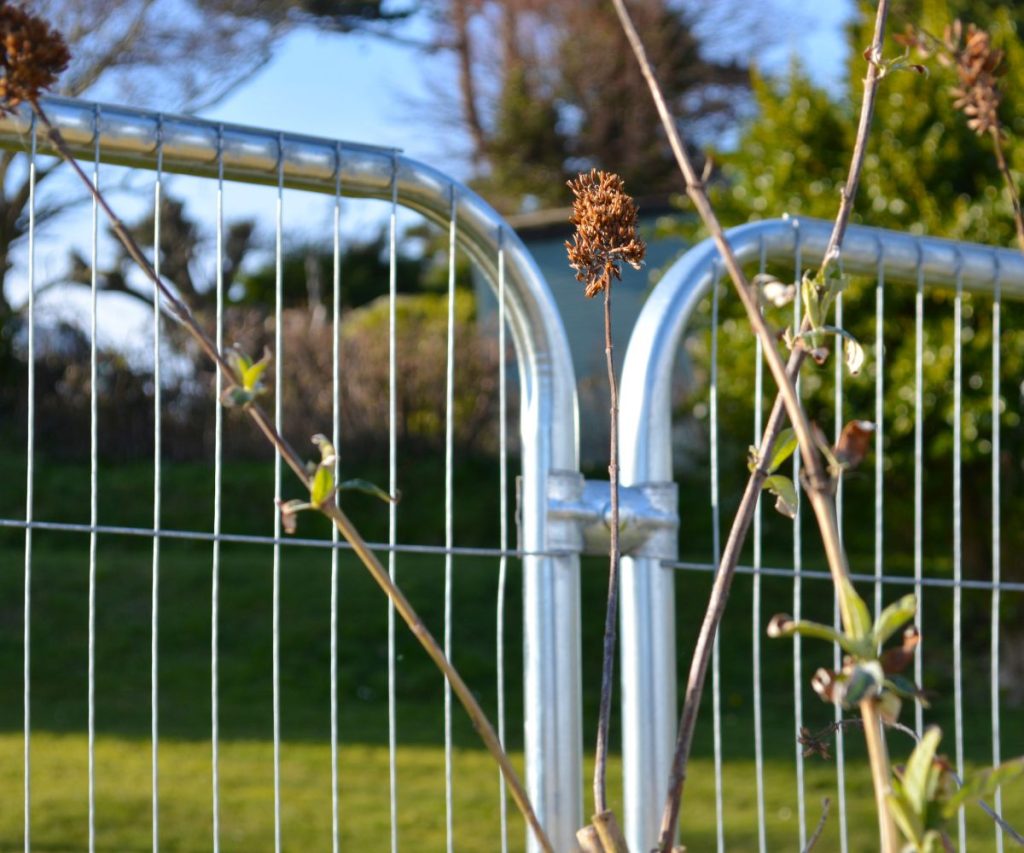
When you install Alpine Temporary Fencing on a construction site, event space or public project, it is not just about putting up a barrier. It is about protecting people, securing the area and meeting your legal obligations.
Across Australia, temporary fencing must comply with state and national safety standards. Failing to follow these rules can result in project delays, penalties or even serious incidents.
If you are planning a project, here is what you need to know about temporary fencing laws and safety regulations in Australia.
When is temporary fencing required?
Temporary fencing is needed wherever there is a foreseeable risk to workers, visitors or the public. WHS legislation requires duty holders to identify hazards, assess the risks and put controls in place. Fencing is generally required for:
- Demolition and construction sites
- Road works and civil infrastructure projects
- Parks, schools and council projects
- Public events and crowd-controlled areas
- Emergency response or disaster management zones
What does the AS 4687:2022 standard mean for site operations?
AS 4687:2022 is the Australian standard governing the temporary fencing and hoarding used across construction and infrastructure sites.
The updated 2022 standard sets requirements for the design, testing and performance of the full fencing system, helping make sure barriers stay safe and stable under real site conditions.
For site operations, this means:
- Requirements for wind resistance, stability and correct installation
- Fencing systems designed to meet recognised safety benchmarks
- Clear standards covering temporary fencing, hoardings and pedestrian barriers
Australian pool fencing standards (AS 1926.1-2012)
Australia also has strict pool fencing laws under AS 1926.1-2012, designed to prevent child drownings. Compliance is mandatory for all private pools.
Key requirements include:
- Fence height: at least 1.2m with no footholds or climbable gaps
- Gates: must be self-closing and fitted with a compliant latching device
- Bottom gap: no more than 10cm from finished ground level
- Horizontal bars: where present, spaced at least 90cm apart
Penalties for non-compliance:
- Fines exceeding $5,500
- Prohibition orders or pool closure
Why this matters: pool fencing is a critical life-safety measure, and non-compliance carries severe legal and safety consequences.
Local council requirements
Councils may impose fencing conditions as part of an approval, permit or event plan. These can include:
- Fence height and visibility
- Fence placement and setback distances
- Pedestrian separation and safe access points
FAQs
When is temporary fencing used?
Temporary fencing appears on almost every civil, construction, rail, road and industrial site, where it is used for boundary delineation, hazard exclusion and access control. Event fencing also plays an important role in managing crowd access and safety at large gatherings.
What happens when temporary fencing fails?
Failure puts people, projects and reputations at risk. Common consequences include:
- Injury to workers or members of the public
- Unauthorised access to hazardous areas
- Damage to property and vehicles when panels collapse
- Project delays and site shutdowns
- Exposure to plant, live works or excavations
- Reputational damage for construction contractors and event organisers
- Non-compliance notices or regulatory penalties
Final word
When you are managing a construction site or public event, understanding what AS 4687 requires helps you make better decisions about your temporary fencing investment. This knowledge does not just protect your workers and the public. It also demonstrates your commitment to professional standards.